SW4 rubbish removal guide for Clapham Common residents
Posted on 22/06/2026
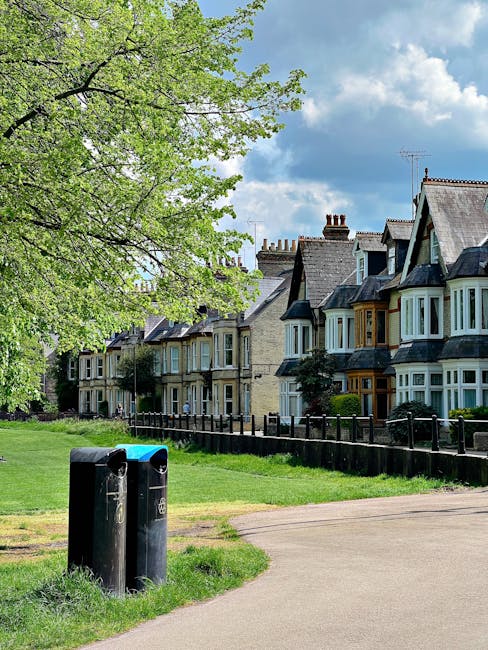
If you live near Clapham Common, rubbish has a funny habit of piling up just when life feels busiest. One broken wardrobe, a weekend clear-out, a bit of garden waste after a damp Sunday, and suddenly the hallway looks like a storage unit nobody asked for. This SW4 rubbish removal guide for Clapham Common residents is here to make the whole process feel manageable, local, and a lot less irritating.
We'll walk through how rubbish removal works in SW4, what to do with different waste types, where people tend to go wrong, and how to choose the right approach for a flat, a family home, or a rental property. You'll also find a clear checklist, a comparison table, and a practical example based on the kind of clear-up Clapham Common residents deal with all the time. Nothing fluffy. Just useful guidance that saves time, stress, and, frankly, a bit of faff.
For readers wanting a broader sense of local services and support, it can also help to look at the services overview and the company's recycling and sustainability approach so you can see how waste is handled beyond the pickup itself.
Why SW4 rubbish removal guide for Clapham Common residents Matters
Clapham Common residents often deal with rubbish removal in situations that are a bit more awkward than they first look. A flat on a busy road may have limited storage. A shared house can produce more bulky waste than anyone expected. A family home can accumulate old furniture, broken toys, garden trimmings, and those half-finished DIY bits that never quite get finished. Sound familiar?
That's why local rubbish removal matters. In SW4, space is valuable, access can be tight, and timing often matters just as much as price. If waste sits around too long, it can start to smell, attract pests, or simply make the home feel cluttered and harder to live in. To be fair, it can also become a bit of a safety issue. Trip hazards in hallways are not exactly ideal when you are rushing out to catch a train or walking back in with the weekly shop.
There is also the local rhythm of life to consider. Around Clapham Common, homes change hands, rentals turn over, gardens get reworked, and offices or home workspaces are refreshed more often than people expect. A smart rubbish removal plan helps you stay ahead of all that. For anyone comparing property-related or move-related jobs, the local articles on house clearance in Clapham and waste removal options in Clapham can also be useful context.
Expert summary: In SW4, the best rubbish removal approach is usually the one that balances access, volume, recycling potential, and timing. If one of those pieces is ignored, the job tends to get harder than it needs to be.
How SW4 rubbish removal guide for Clapham Common residents Works
Rubbish removal is usually simpler than people expect, but only if you understand the moving parts. Most jobs follow a fairly straightforward path: assess the waste, sort it, get a price, arrange collection, and make sure the waste is processed responsibly. That's the simple version. The real-world version includes stairs, parking, awkward sofas, and the odd mystery box from the back of a cupboard.
In practice, a rubbish removal service for Clapham Common residents may involve a few different waste streams. General household rubbish, bulky items, garden waste, office clutter, light builders' waste, and mixed clear-out loads are common. A single pickup can often include several of these categories, but it helps to describe the contents accurately from the start. It saves everyone time.
Timing is another important part of the process. If you're clearing a flat before a move, the ideal slot is often before handover day, not after. If you're clearing a garden, you probably want the waste collected after the main cut-back but before the weather turns again. Tiny windows, yes. But they matter.
Many residents like to compare a full waste removal visit with a lighter rubbish collection. If you only have a few bags and one or two bulky items, a collection service may be enough. If the waste is spread across rooms, loft space, or a garage, a fuller waste removal job is often the better fit. The more exact you are with the description, the better the result.
Key Benefits and Practical Advantages
There are plenty of reasons people in SW4 choose professional rubbish removal rather than trying to deal with everything themselves. Some are obvious. Some only become obvious after you've tried to move a mattress downstairs on your own and regretted it halfway down the staircase.
- Speed: What might take you several trips can often be cleared in one visit.
- Less physical strain: Heavy lifting, awkward carrying, and repeated loading are handled for you.
- Better use of space: Flats and homes around Clapham Common often benefit from fast decluttering.
- Cleaner finishes for moves or renovations: A cleared property simply photographs better and feels more ready.
- More responsible sorting: Reusable and recyclable items can be separated more effectively.
- Reduced stress: One appointment beats a weekend of stressful back-and-forth to the tip.
There's also a quieter benefit people don't always mention: mental clarity. A room with fewer piles of rubbish tends to feel calmer. You notice it at 8am when the light comes through the window and the whole place feels easier to breathe in. Small thing, but real.
If you're trying to decide between a few related services, the local rubbish collection service and garden waste removal in Clapham can be a helpful comparison point, especially if your job is only partly a general clear-out.
Who This Is For and When It Makes Sense
This guide is most useful for people who live near Clapham Common and need a practical way to clear waste without turning it into a whole weekend project. That includes tenants, homeowners, landlords, letting agents, and small business owners. It also includes the person who has been "meaning to sort the spare room" for six months. You know the one.
It makes sense when you have:
- bulky items that won't fit in a normal bin collection
- too much waste for a bagged drop-off approach
- mixed clutter from a move, renovation, or life admin clear-out
- garden cuttings, old plant pots, and broken outdoor items
- office furniture or equipment that needs removing carefully
- a rental property that needs turning around quickly
For people working through a move or sale, a little context can help. The local property and moving landscape is always active around SW4, and a tidy property is often easier to deal with in practical terms. If that's relevant to you, the articles on savvy real estate in Clapham and Clapham property sales trends provide useful background.
It may not be the right fit if you only have a couple of small bags and can safely manage them yourself. In that case, a smaller-scale approach is probably enough. The goal is not to overbuy the service. It's to match the method to the mess.
Step-by-Step Guidance
If you want the process to run smoothly, a little prep goes a long way. Here is the most practical way to approach rubbish removal in SW4.
- Identify what needs clearing. Walk through the space room by room. Separate general rubbish, bulky items, recyclables, and anything hazardous or specialist.
- Estimate the amount. Not perfectly. Just enough to judge whether you've got a few items, a van-load, or something larger.
- Make access simple. Move items to one area if you can, unlock gates, and think about staircases, parking, or entry codes.
- Check what should stay. This sounds basic, but it's easy to throw away paperwork, chargers, or spare keys by mistake. Ask me how common that is.
- Choose the right service level. If the job is a simple pickup, rubbish collection may be enough. If it's a deeper property clear-out, waste removal or house clearance may be more suitable.
- Ask how items are handled. Recycling, donation, and responsible disposal should be part of the conversation, not an afterthought.
- Book at a sensible time. Try to avoid the exact day you also need to hand back keys, host visitors, or move furniture. One crisis at a time, ideally.
- Do a final sweep. Before the team leaves, check cupboards, lofts, and under beds. People forget things there all the time.
One small but important point: if your waste includes building debris, plasterboard, broken tiles, or renovation offcuts, make sure that is mentioned early. Builders' waste is different from standard household rubbish, and it is usually better to be direct about it. For that type of job, the dedicated builders' waste disposal service in Clapham is the more relevant page to check.
Expert Tips for Better Results
A good rubbish removal job usually comes down to preparation, honesty, and timing. Simple, really. But people often skip at least one of those, then wonder why the day felt chaotic.
Tip 1: Sort the easy win items first. Cardboard, soft plastics, broken small items, and obvious waste can often be separated before collection. That makes the space look better immediately and helps you see what's left.
Tip 2: Be specific about access. A first-floor flat with narrow stairs is not the same as a ground-floor maisonette with rear access. Good descriptions help prevent surprise delays.
Tip 3: Keep reusable items apart. If a chair, table, or mirror is still usable, set it aside. Reuse is better than disposal where possible, and it often makes the rest of the clear-out feel more purposeful.
Tip 4: Photograph awkward loads. A quick photo of a bulky pile or garden corner can make quoting easier. It also reduces the chance of misunderstanding. Handy, really.
Tip 5: Don't leave it until the last minute. If you're moving, renovating, or letting a property, schedule the clearance before the deadline pressure kicks in. The mood of the whole day improves instantly.
Tip 6: Ask about sorting and recycling. Responsible operators should be able to explain, in plain language, how different materials are separated. You do not need a lecture. Just clarity.
And one more thing: if you're clearing out a property that has been lived in for years, expect some emotional clutter along with the physical stuff. Old photo frames, school projects, broken bits of furniture - these things slow people down. That's normal. Take it one step at a time.

Common Mistakes to Avoid
Rubbish removal looks straightforward until it isn't. Most problems are avoidable, and usually they come from rushing the setup rather than the actual clearing.
- Underestimating volume: A room that looks "half full" can still create a sizeable load once sorted.
- Mixing everything together: If recyclable items, general waste, and bulky items are all tangled up, sorting takes longer.
- Ignoring access problems: Tight stairwells, parking limits, and entry restrictions can all affect the job.
- Forgetting hidden spaces: Cupboards, lofts, under-sink areas, and garden sheds are classic hiding places for forgotten waste.
- Assuming all waste is the same: Builders' waste, garden waste, and general rubbish may need different handling.
- Choosing a service too small for the job: This often creates delay and second visits.
A lesser-spotted mistake? Not preparing for weather. In SW4, a light drizzle can turn a simple outdoor move into a slippery, awkward mess, especially if items are being carried from a garden or rear access point. The job still gets done, but it becomes more annoying than it needs to be. Not catastrophic. Just annoying.
Tools, Resources and Recommendations
You do not need a garage full of equipment to organise rubbish removal well. A few practical tools and habits are usually enough.
- Strong bin bags or sacks: Useful for smaller general waste and light clutter.
- Label stickers or marker pens: Helpful if you're separating keep, donate, recycle, and remove piles.
- Moving gloves: A small bit of protection makes a big difference with sharp edges, dusty items, and old packaging.
- Tape measure: Useful for awkward furniture or narrow access routes, especially in older SW4 properties.
- Phone camera: Great for taking quick photos of waste piles, tricky corners, or access points.
For residents trying to decide what kind of service to book, the most useful starting points are usually the relevant service pages and pricing information. A clear quote process matters, because no one wants guesswork when planning a clear-out. You can review the pricing and quotes information alongside the broader service overview.
If you value a provider that explains how waste is handled and what happens to reusable materials, the sustainability and company background pages are worth a look too. The recycling page and about us page can give useful reassurance before you book.
Law, Compliance, Standards, or Best Practice
Waste removal in London should be taken seriously. You do not need to become a compliance expert, but a few principles matter.
First, rubbish should only be passed to someone who is appropriately set up to handle it. As a resident, you want to avoid leaving waste with the wrong person or assuming that "someone will sort it out later." That approach can lead to fly-tipping problems, and nobody wants their unwanted sofa becoming someone else's headache.
Second, hazardous or specialist materials deserve extra care. Paints, solvents, certain electrical items, and sharp debris should not be handled casually. If something feels unusual, it probably is. Ask before booking.
Third, the best practice standard is simple: sort where possible, describe accurately, choose a reputable operator, and ask how materials are processed. That is especially important in a dense area like SW4, where access, neighbours, and timing can all add pressure.
Good operators also treat safety as part of the job, not a box-tick. It's worth reading the company's insurance and safety information, plus the terms and conditions, so you know what to expect before the removal date. If you are comparing providers and payment methods, the payment and security page can also be helpful.
In short: the safest waste job is the one that is described properly, handled carefully, and finished cleanly. No drama. No loose ends.
Options, Methods, or Comparison Table
Different rubbish removal methods suit different situations. Here's a straightforward comparison to help you choose.
| Option | Best for | Pros | Things to watch |
|---|---|---|---|
| DIY tip run | Small loads and people with time, transport, and lifting capacity | Can work for minor waste; full control over timing | Time-consuming, physically demanding, may require multiple trips |
| Rubbish collection | Smaller household loads, a few bulky pieces, quick clear-outs | Simple and efficient; less disruption | May not suit large, mixed, or awkward clearances |
| Waste removal | Mixed waste, larger volumes, cluttered rooms or garages | More flexible; can handle broader clear-out needs | Needs a clearer description of the load |
| House clearance | Whole-property clear-outs, end-of-tenancy, bereavement, moves | Most thorough option; ideal for bigger jobs | Usually requires more planning and more detailed communication |
| Garden waste removal | Cuttings, soil bags, outdoor clutter, seasonal tidy-ups | Keeps outdoor spaces manageable and neat | Not the right choice for mixed domestic rubbish |
If you're still unsure, think about the mess itself. Is it a few items? A roomful? A property-level clear-out? That question usually points you in the right direction very quickly.
Case Study or Real-World Example
Picture a fairly typical Clapham Common scenario. A couple is moving out of a first-floor flat near the Common. They've got a wardrobe they no longer want, a broken desk, several black bags of old clothes, kitchen clutter, and a small pile of garden waste from a shared patio. Nothing extreme. But enough to make the place feel crowded and awkward.
At first, they consider doing it themselves. Then they look at the stairs, the narrow hallway, and the fact that the move is happening on a busy weekday. Suddenly the DIY plan feels less appealing. So they decide to clear everything in one go with a structured rubbish removal booking instead.
They sort the items into three groups: keep, remove, and maybe. The "maybe" pile turns out to be smaller than expected, which is often how it goes when you finally look properly. They take a few quick photos of the larger pieces, make sure access is clear, and set the items near the front room rather than leaving them scattered through the flat.
On the day, the removal is quicker because the prep was done well. The team can assess the load immediately, move through the property without confusion, and separate the waste more efficiently. The result is not just a cleaner flat. It also means the move feels less frantic. The couple can focus on keys, paperwork, and the million tiny things that always appear at the end of a tenancy.
That's the real value of good rubbish removal in SW4. Not just "getting rid of stuff," but reducing the friction around a change in your life. A small thing, maybe. But a meaningful one.
Practical Checklist
Use this before booking rubbish removal in Clapham Common. It keeps things calm and avoids those last-minute, mildly panicked moments.
- Identify all waste types in the property.
- Separate reusable, recyclable, and general rubbish where practical.
- Measure or photograph large items.
- Check stairs, parking, gates, and access codes.
- Decide whether you need rubbish collection, waste removal, house clearance, or garden waste removal.
- Remove anything you want to keep before collection day.
- Ask how awkward or special items should be handled.
- Confirm timing around moving day, handover, or renovation work.
- Review pricing, payment, safety, and terms before booking.
- Do a final sweep of cupboards, lofts, sheds, and under furniture.
If you are dealing with a larger property change, you may also want to read the local perspective in Clapham: a local's living experience and the wider area context in the Clapham area guide. They are not waste guides, exactly, but they help make the local picture feel a bit more grounded.
Get a free quote today and see how much you can save.
Conclusion
Rubbish removal in SW4 does not need to be a headache. Once you understand what you're clearing, how much there is, and which service fits best, the whole job becomes more straightforward. That's true whether you are dealing with a single bulky item, a cluttered spare room, a garden refresh, or a full property clear-out near Clapham Common.
The main thing is not to rush the process. A little prep, a clear description of the waste, and a sensible choice of service can save a surprising amount of time and stress. And if the property feels better at the end of it, which it usually does, then it was probably worth doing properly in the first place.
Clapham Common living has its pace, its charm, and, yes, its practical little challenges. But once the rubbish is gone and the space opens up again, things just feel lighter. That's a nice feeling to have back.


Copyright © . House Clearance Clapham. All Rights Reserved.